

mayfair, london (an insider’s guide)
Explore the area’s Georgian elegance, classic style and designer dreams
Mayfair, London is famed for its pretty streets, historic architecture, boutique shops, cafés, restaurants and bars. But with so much on offer, navigating your way through the picture-perfect neighbourhood is not always straightforward. We’re here to guide you through our charming Mayfair village.
Article guide
Where is Mayfair in London?
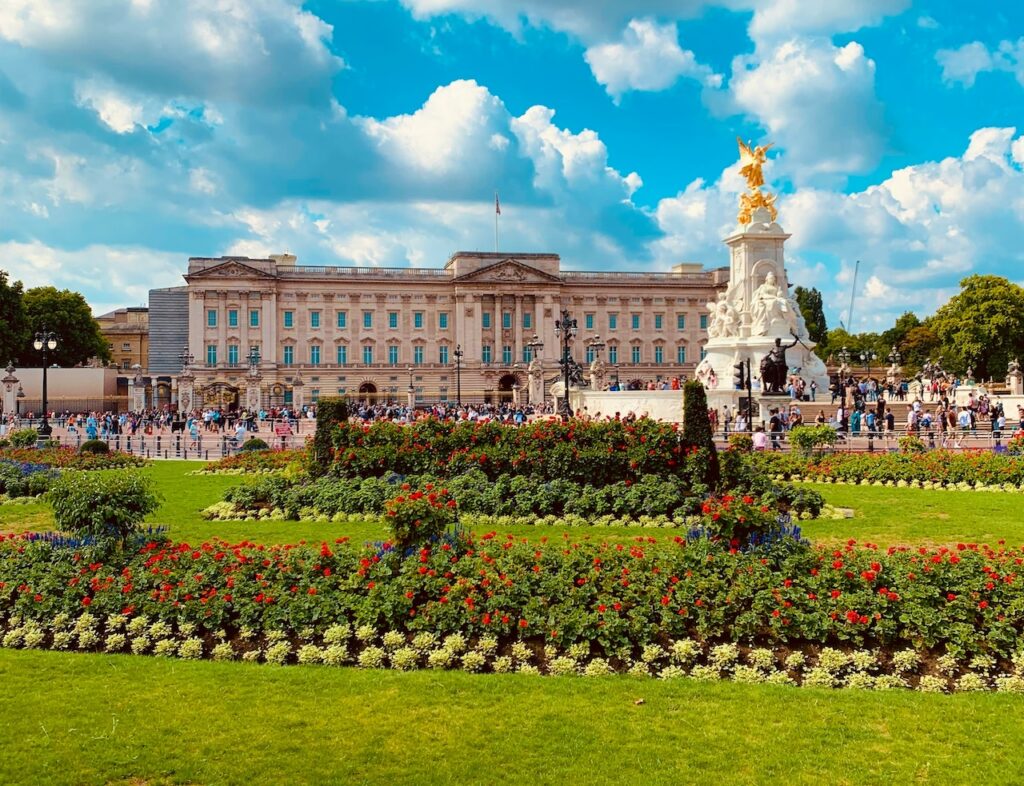
Mayfair is in central west London, in the City of Westminster borough, home to some of the UK’s most famous landmarks, including Buckingham Palace, Trafalgar Square and Westminster Abbey. Mayfair is bordered by Hyde Park, St James’s Park, Marylebone and Soho.
What are the most famous landmarks in Mayfair ?
Some of Mayfair’s top destinations include Bond Street, Grosvenor Square, the Royal Academy of Arts, the ever-stylish glamour of Mount Street and of course, the world-famous Park Lane. With historic Piccadilly to the south and the vibrant nightlife of Soho to the east, Mayfair provides an oasis of Georgian glamour interwoven with Queen Anne architecture. With elegant grand streets and immaculate green squares, the most skilled designers in the tailoring world on Savile Row, and the cosy nooks and winding alleys of Shepherd Market, Mayfair works its charms on all who stay here. You will find Hyde Park Residence to the west of the Park, at 55 and 60 Park Lane.
How do i get to Mayfair, London?
Mayfair is located in the heart of London, nestled at the most central point of west London. As a result the area has excellent transport links, with Paddington, Charing Cross, Victoria, Marylebone, Euston and King’s Cross train stations only a short distance away, offering easy access to national and international destinations. Perhaps confusing to some newcomers who are familiar with the Monopoly board game, there is no tube station called Mayfair. Instead, several underground stations serve the area, including Bond Street, Green Park, and Hyde Park Corner, connecting the area to the rest of London via the Jubilee, Central, Piccadilly, Victoria and Elizabeth lines. There are also many bus stops nearby for travel within and beyond Mayfair on an iconic red London bus. You can use your contactless bank card on buses and tubes to get around hassle-free, making Mayfair easily accessible for both residents and visitors alike.
What is the Mayfair postcode?
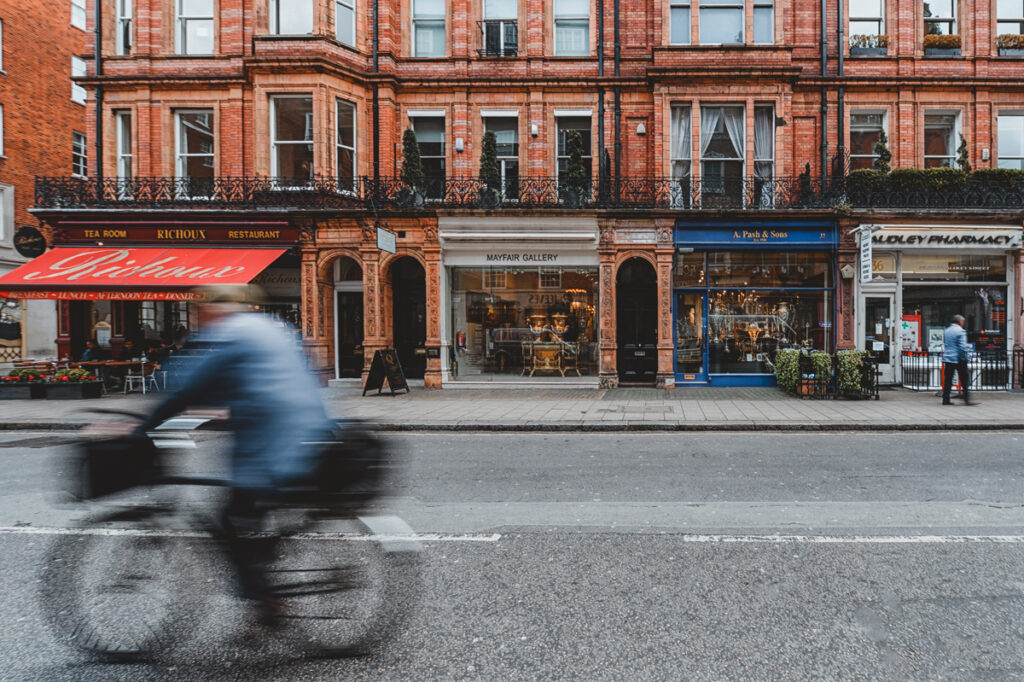
All postcodes in Mayfair start with either W1J, W1K or W1S. The W stands for ‘west’ and the number one is reserved for the most central addresses in London. As to the J, K and S, the letters are assigned alphabetically by district.
W1J: Mayfair (south), Piccadilly
W1K: Mayfair (north), Grosvenor Square
W1S: Mayfair (east), Hanover Square, Savile Row, Royal Academy
The postcode at Hyde Park Residence is W1K 1NA.
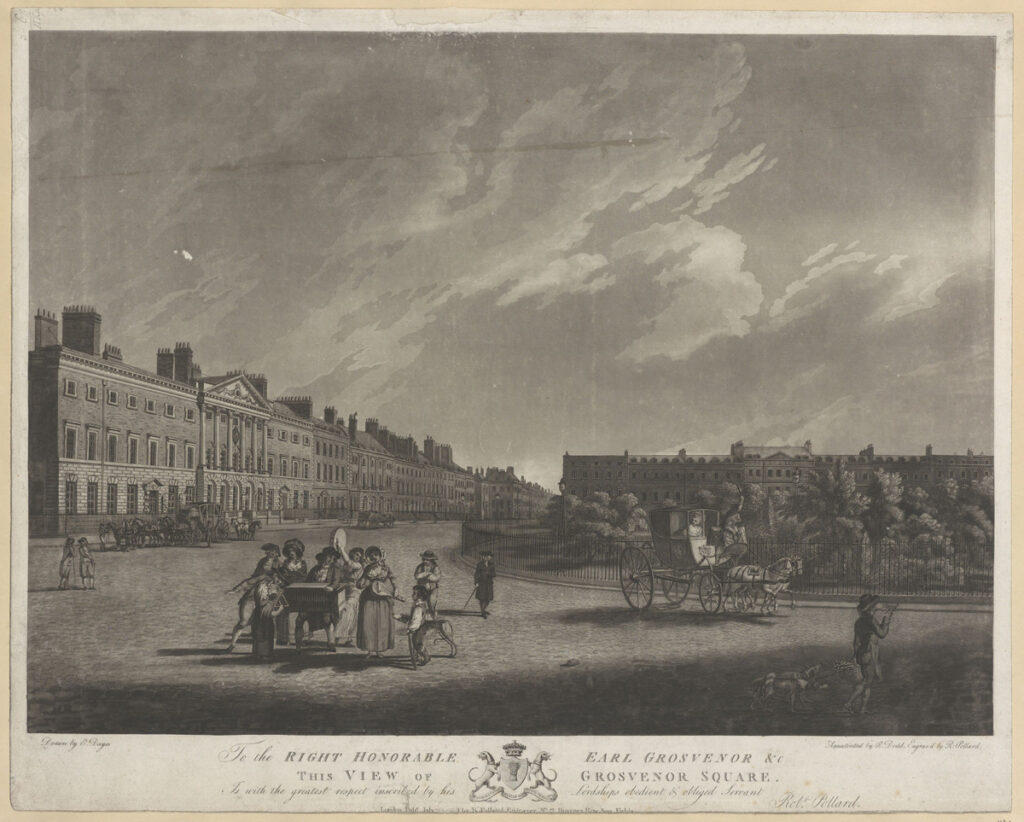
Formerly owned by George III, King of Great Britain. Photo: British Library/Flickr
The history of Mayfair, London
The May Fair – where Mayfair got its name
The area known today as Mayfair, London, first rose to prominence in the late seventeenth century, and has been a fashionable residential district for over three centuries. The area got its name from the annual “May Fair” set up by King James II, which ran from 1686 to 1764 in what is now Shepherd Market. The market is named after the architect Edward Shepherd, not after the May Fair’s produce! The fair was renowned for being a hotbed of boisterous and unruly happenings in its day but now Shepherd Market is a charming little square with narrow side streets where you will find independent boutiques, restaurants and impressive Victorian pubs.
The Grosvenor family’s pivotal role in Mayfair’s history
One of the key developments in Mayfair’s evolution was the building of Grosvenor Square in the 1720s, by the Grosvenor family – whose name is still associated with many of Mayfair’s most famous landmarks. The Square was a short carriage-ride to the most important destinations of the time: St James’s Palace, the Theatre Royal in Covent Garden (now the Royal Opera House) and parliament, alongside clubs, coffee houses and more nefarious establishments. This prime location quickly made it a favourite base for the country’s most powerful families. As the series Bridgerton colourfully captures, this world of exotic fabrics and luxurious fashion solidified the area’s reputation as the home of luxury in London.
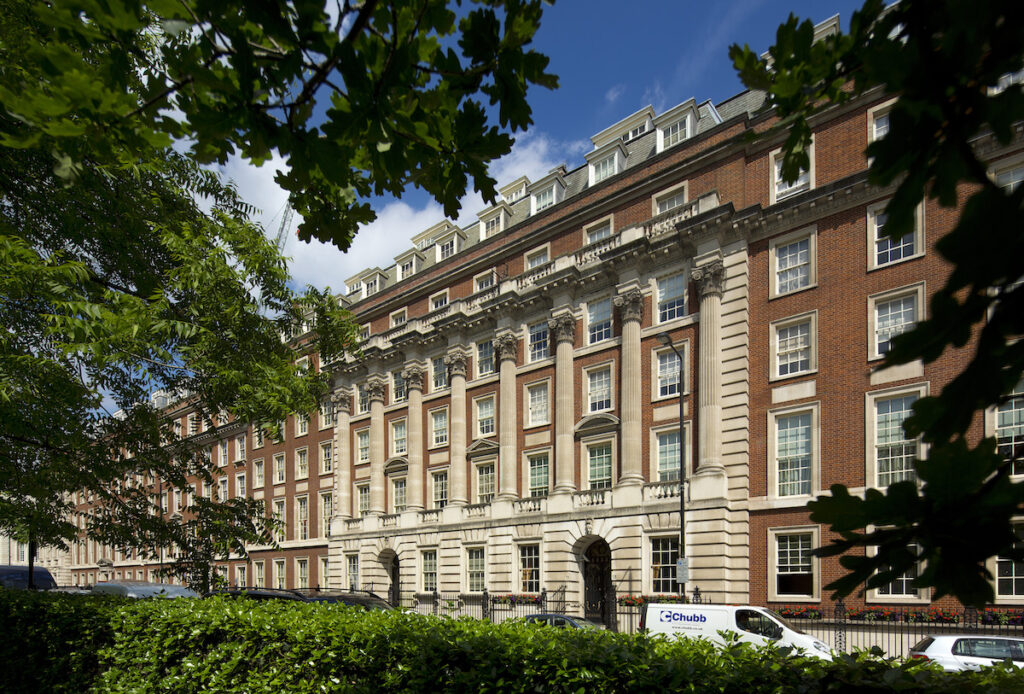
Photo: Peter Wetherell/Wikimedia Commons (cc-by-2.0)
The Blitz and its aftermath
The heavy bombing of London in the Second World War forced many businesses to relocate from their “city” addresses to Mayfair, where they converted residential homes into offices. In fact, the American Embassy had its headquarters in Grosvenor Square until 2008. However, many other buildings began to be reclaimed for residential use in the 1990s, building Mayfair’s reputation as the leading district for period conversions and grand freehold townhouses. Curzon Street is home to Crewe House, one of the few eighteenth-century Mayfair mansions still standing.
Things to do in Mayfair, London
The Mayfair lifestyle
Mayfair, encompassing Mount Street, Audley Street, Park Lane, Grosvenor Square and other iconic streets, is synonymous with a luxurious and sophisticated lifestyle. The neighbourhood boasts high-end boutiques, exclusive art galleries, and Michelin-starred restaurants, attracting discerning connoisseurs of fashion, art, and gastronomy. For things to do in Mayfair, residents enjoy a vibrant social scene, with prestigious members-only clubs and glamorous cocktail bars dotting the area. The leafy squares and private gardens offer serene retreats amidst the bustling city. Mayfair’s proximity to historic landmarks such as Wellington Arch, Hyde Park and Buckingham Palace, adds to its allure.
Royal Parks and secret squares
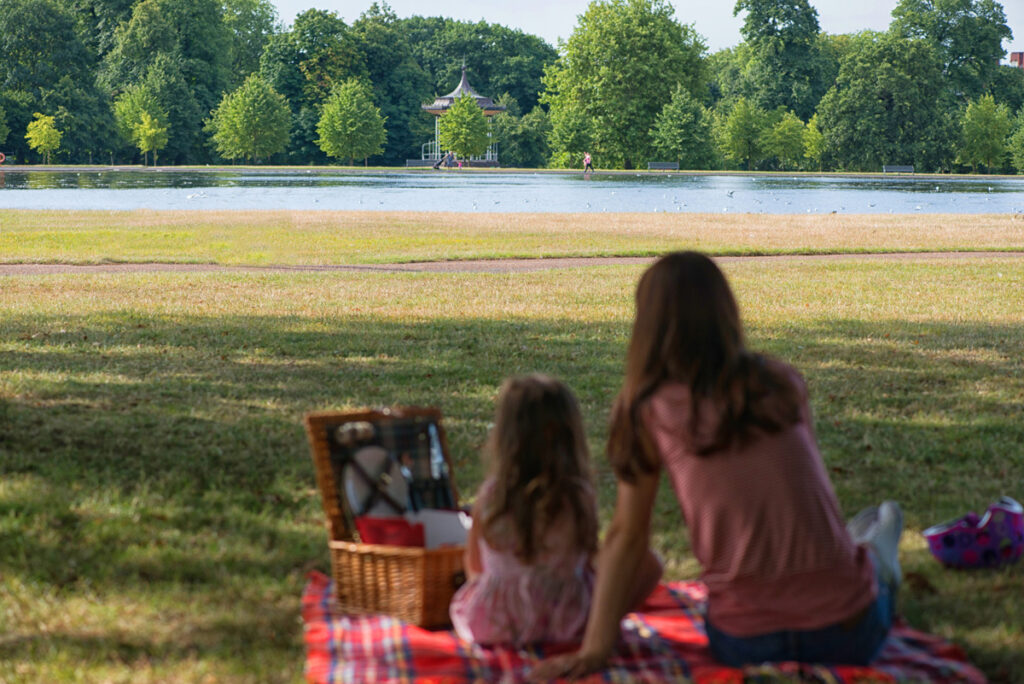
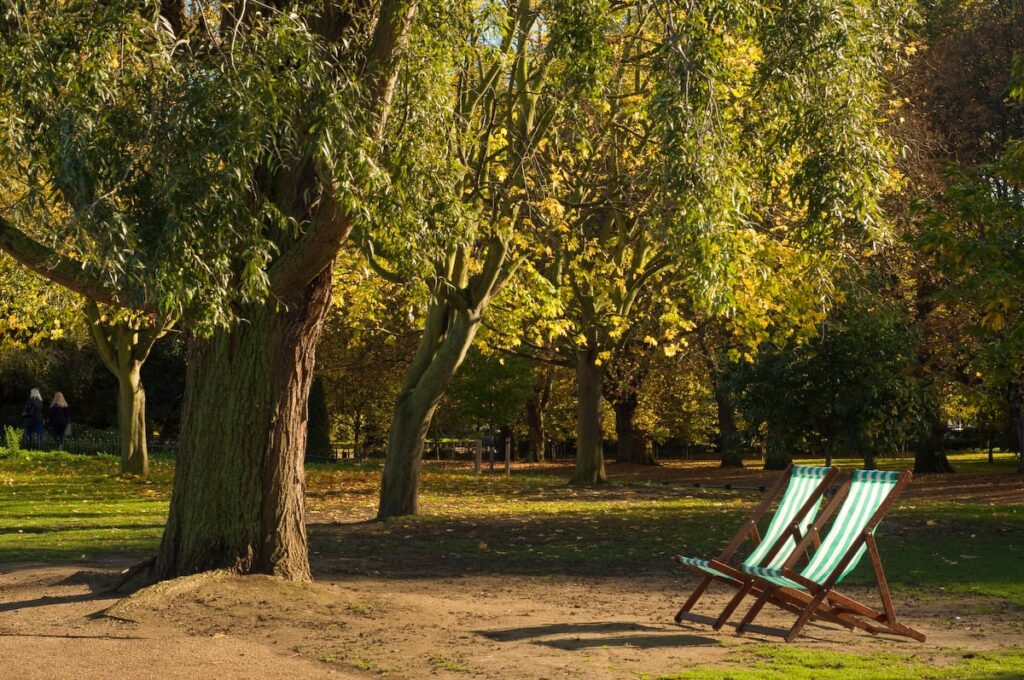
With its vast green spaces and manicured garden squares there’s no shortage of places to find some peace and quiet around Mayfair. With four out of the eight Royal Parks within walking distance of the neighbourhood, strolling around Hyde Park, Kensington Gardens, St James’s Park and Green Park is one of the gentlest things to do in Mayfair. Each park offers mature trees and large swathes of lawn and meadow, with special features including playgrounds, lakes, sports facilities, cafés, fountains, sculpture and galleries.
Grosvenor Square is the second largest square in London, where you can relax on a bench alongside classically-inspired landscaping. Brown Hart Gardens is a raised terraced garden built in 1906 above the old Duke Street electricity substation and offers a rejuvenated oasis close to Oxford Street and Bond Street station.
For us, you can’t beat the hidden gem of Mount Street Gardens. Here are fountains, tropical palm trees, and sculptures. It’s beautiful. Tucked away off Mount Street – the jewel in Mayfair’s crown – the garden is filled with plants, wildlife and benches from which to enjoy it all
Shopping in Mayfair
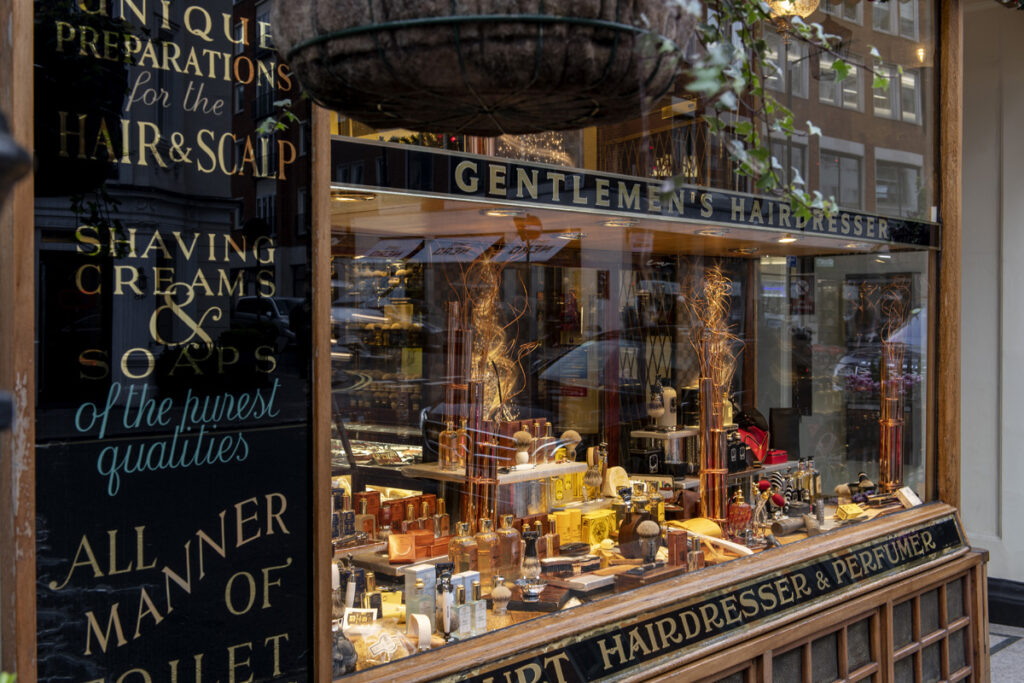
Mayfair is renowned for its exclusive selection of shops. Wind your way through boutiques and independent establishments like the classic Geo F Trumper, a men’s barber and perfumer established in 1875. Browse luxury brands including Cartier, Balenciaga and Boudi Fashion, alongside the prestigious department stores Selfridges and Fortnum & Mason. The historic Burlington Arcade opened in 1819 “for the sale of jewellery and fancy articles of fashionable demand, for the gratification of the public.” Today, it has 51 independent boutiques selling everything from hats to macarons. We highly recommend treating yourself to a bespoke box of Ladurée macarons to enjoy in your apartment!
Mayfair’s art galleries and museums
As an area synonymous with sophistication, it follows that Mayfair would have a vibrant art scene and is home to a multitude of prestigious art galleries. Visitors can explore a diverse array of modern and contemporary art, perusing the likes of Gagosian, White Cube, and Hauser & Wirth – world-leading contemporary galleries from both established and emerging artists. For lovers of classical art, the Royal Academy of Arts and the Wallace Collection exhibit masterpieces from renowned artists. Mayfair’s art galleries attract collectors, art enthusiasts, and visitors seeking cultural experiences, making it a must-visit destination for art lovers in London.
The Best Restaurants in Mayfair
Whether you’re looking for gourmet feasts, light bites or on-the-go goodness, every kind of cuisine is on offer in Mayfair. From the archetypal British staple of fish and chips at the Mayfair Chippy to the fresh, timeless tang of Bentley’s Oyster Bar, the neighbourhood caters to every appetite and occasion.
Murano, Angela Hartnett’s elegant Mayfair restaurant, has held a Michelin Star since 2008, awarded just four months after opening alongside four AA Rosettes. Inspired by her Italian grandmother’s cooking, the menu is rooted in seasonal British and European ingredients, paired with wines from small, sustainable producers. Expect exceptional food without the formality.
Irish chef Richard Corrigan’s Mayfair flagship is a love letter to the best of British produce. Plating fresh, hand-dived Orkney scallops, salt-aged Hereford beef, Scottish lobster ravioli and Clarence Court duck eggs, Corrigan‘s was awarded three AA Rosettes within its first three months and named restaurant of the year by both the Evening Standard and the AA. The menu follows the seasons, celebrating native ingredients from across the UK.
For something a little different, Bibi has been wowing its diners since opening in 2021 with its stylish take on Indian cuisine. Chet Sharma (an Oxford-educated, Michelin-trained chef-patron) wants diners to leave feeling light and refreshed rather than weighed down, so the menu favours vibrant small-plate grills over heavy breads and curries. Precise and inventive, Bibi is redefining what Indian dining can be.
It’s almost impossible to try and condense the banquet of delicious fare found within Mayfair. You can discover more of the best restaurants in Mayfair here.
Where to stay in Mayfair?
If you’re looking for a longer stay paired with the comfort of home, there are a variety of serviced apartments in Mayfair, with fully equipped kitchens and spacious living areas. (Explore our flexible serviced apartments in Mayfair here.) Whether it’s a grand hotel or a cosy apartment, staying in Mayfair offers proximity to a charming local area with the rest of London right on your doorstep.
Mayfair village has something
for everyone
Mayfair village has something for everyone. It’s why we love living in Mayfair – all the charm of English village life found within the heart of central London. Bordered by three leafy Royal Parks, Mayfair offers a unique blend of tranquillity and luxury, with designer boutiques, fine dining and art galleries. Step beyond and you’re back in our vibrant, bustling city with everything at your fingertips for the most modern cosmopolitan experience.
FAQS
Mayfair is located in the central part of west London, England, specifically in the City of Westminster. The Mayfair postcode is W1.
Mayfair is widely regarded as one of the most desirable areas in London, indeed in the world. Its elegant Georgian architecture, immaculate garden squares, world-class restaurants, luxury boutiques and proximity to four Royal Parks make it an exceptionally pleasant place to live, work or visit.
The area is famous for its affluent residents, upscale shopping streets like Bond Street, world-class art galleries, exclusive members-only clubs, and its reputation as a luxurious and high-end area of London.
Mayfair has long attracted high-profile residents drawn by its privacy, prestige and central location. Over the years the neighbourhood has been home to a constellation of celebrities, business figures and royalty. Some of its most recognisable residents include Queen Elizabeth II, Winston Churchill, Jimi Hendrix, George Frederic Handel, Oscar Wilde, Ada Lovelace, and Virginia Woolf.
Bond Street is perhaps the most celebrated, renowned globally for its luxury fashion houses and jewellers. Savile Row is legendary for bespoke tailoring, while Park Lane offers iconic hotels and sweeping views over Hyde Park.
book your stay with us
We are now taking reservations for your arrival
